
The Indus Valley Civilization Was Ahead of Its Time: Here's The Proof

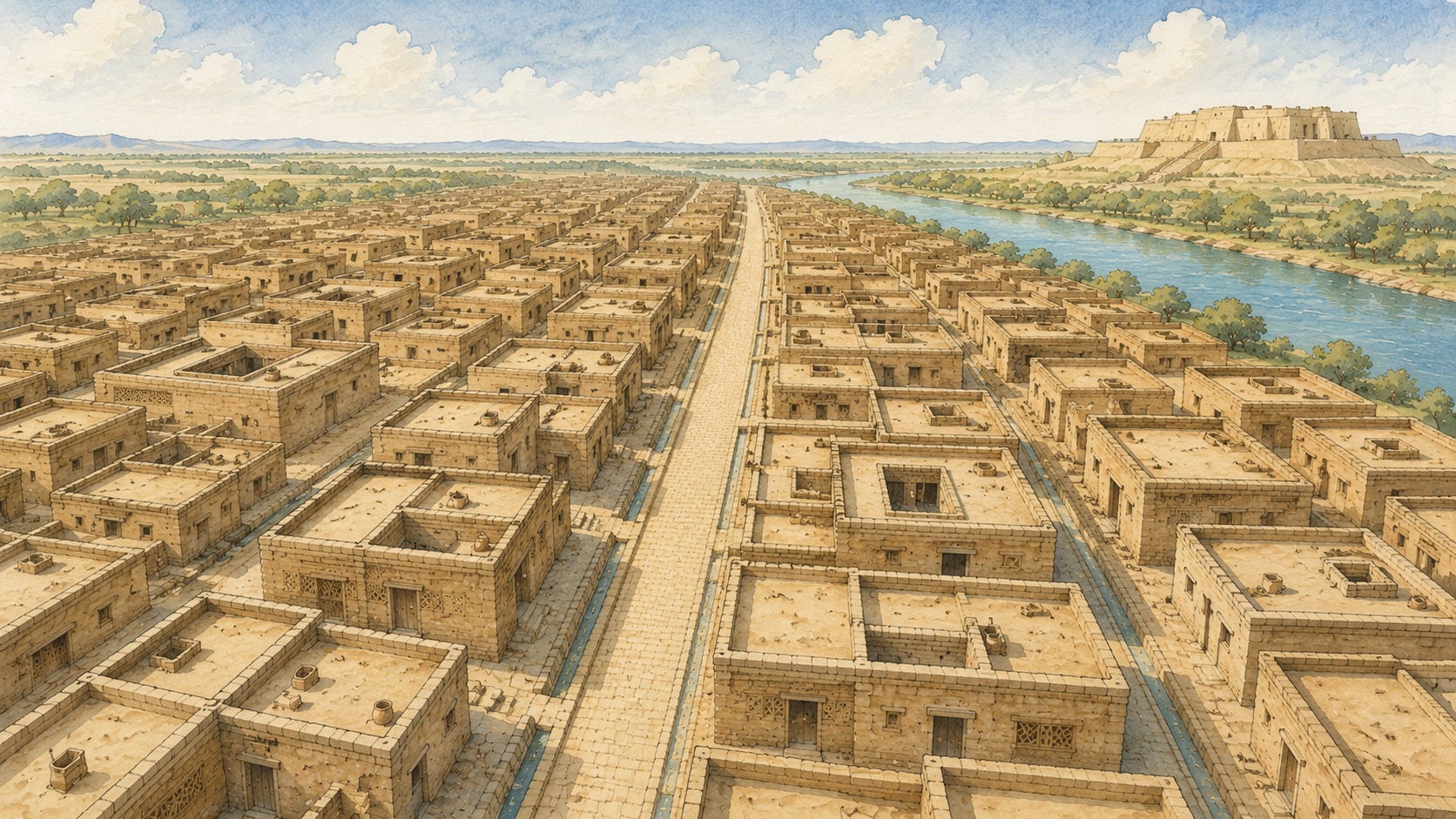
The Indus Valley Civilization was one of, if not the most advanced civilization of its time.
Its cities, its planning, its day-to-day life, and its trade with other civilizations all show just how organized the Harappans were. They not only built remarkable cities but also exported their skills and materials to other civilizations.
Out of their many incredible achievements, today we’ll look at three technological feats that continue to amaze archaeologists even today.
Advanced Drainage System
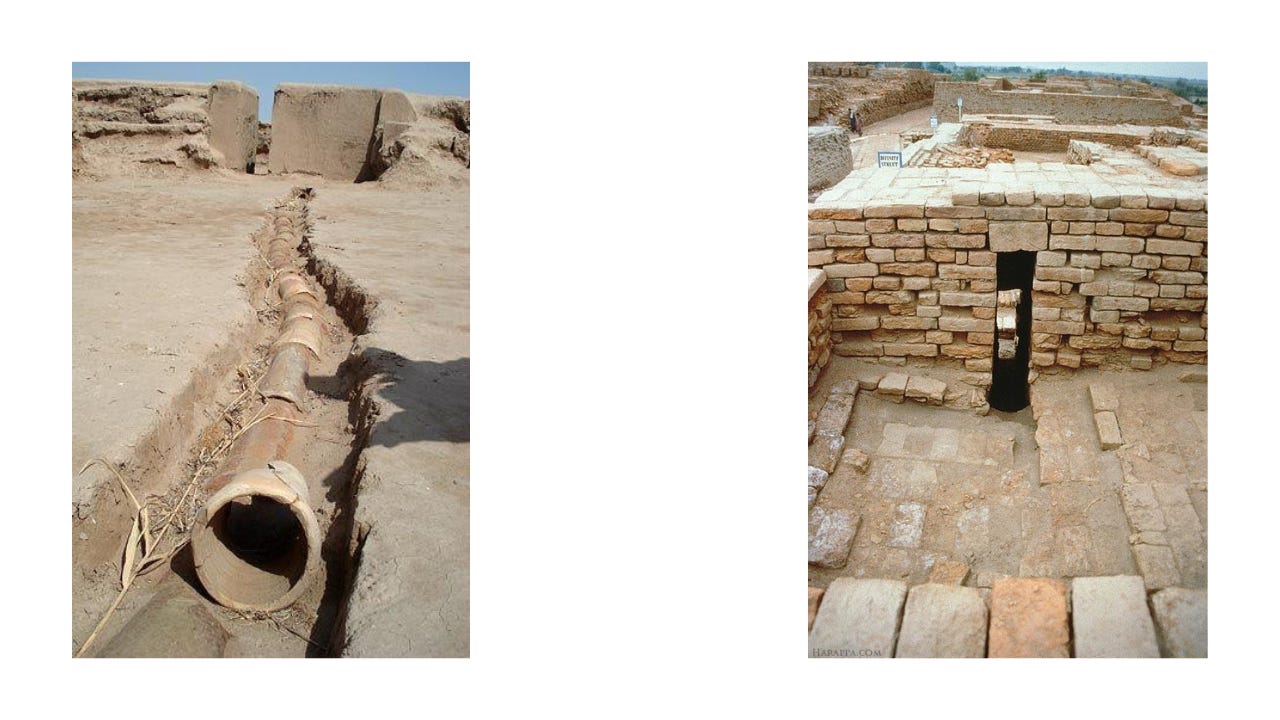
One thing most people think about when it comes to the Indus Valley Civilization is its advanced drainage system.
And for good reason.
Their drainage system was one of the most advanced in the ancient world.
From personal bathrooms to multi-storey bathrooms, from well-organized sanitation to public drainage systems, the Harappans clearly placed great importance on cleanliness and city planning.
Almost every house had its own personal bathroom. Today that may sound normal, but compared to most other civilizations of that time, having individual bathrooms was extremely rare.
The Harappans didn’t just have personal bathrooms—they even had multi-storey bathrooms connected through terracotta pipes to the public drainage system outside.
Their public drains were covered, and archaeologists believe they were designed for regular cleaning and maintenance.
Just imagine the level of planning and engineering that went into building an entire city like this over 4,000 years ago.
Precision Weights and Measurement System
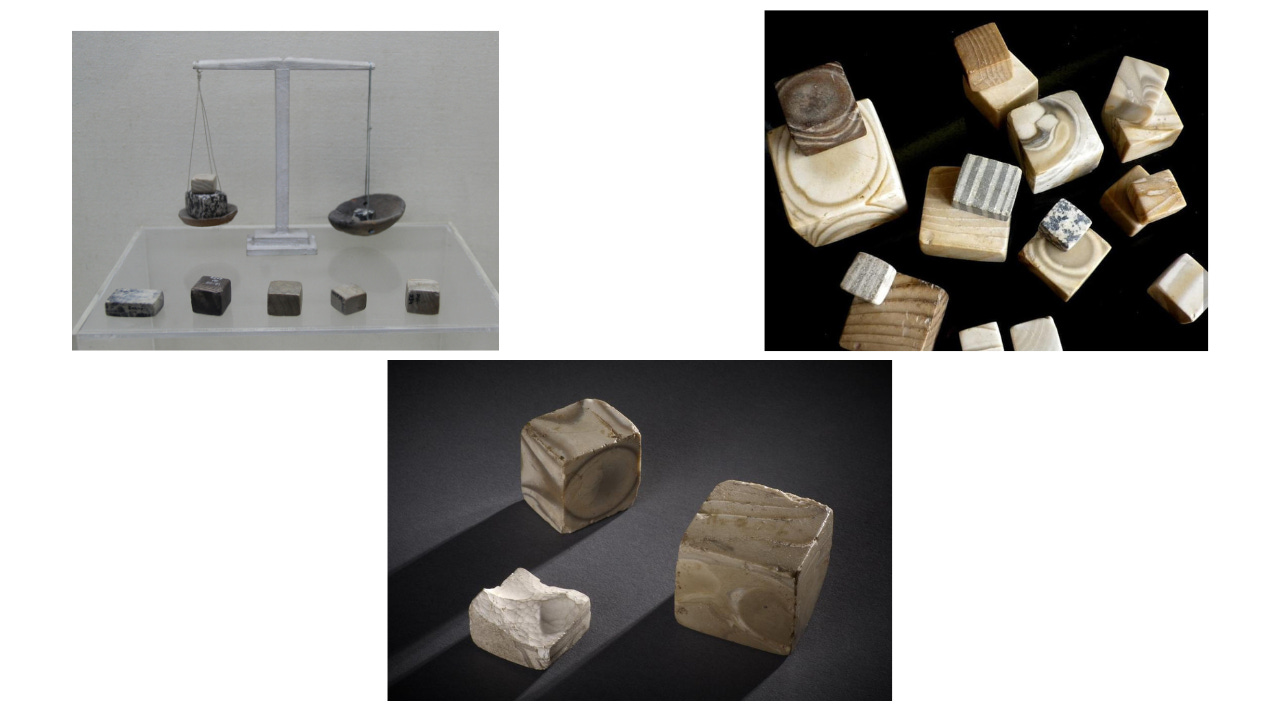
The next incredible feat of the Indus Valley Civilization is its precision weight and measurement system.
The Harappans used standardized stone weights across an area of over a million square kilometers.
These weights followed both binary and decimal systems. Smaller weights often followed a sequence such as 1, 2, 4, 8, 16, 32, while larger weights followed decimal multiples like 10, 20, 50, and 100. This made it easier to measure goods accurately for trade and commerce.
The fact that the same weight standards were used across such a vast region shows the remarkable precision and quality control maintained throughout the civilization.
The 1:2:4 Brick Ratio
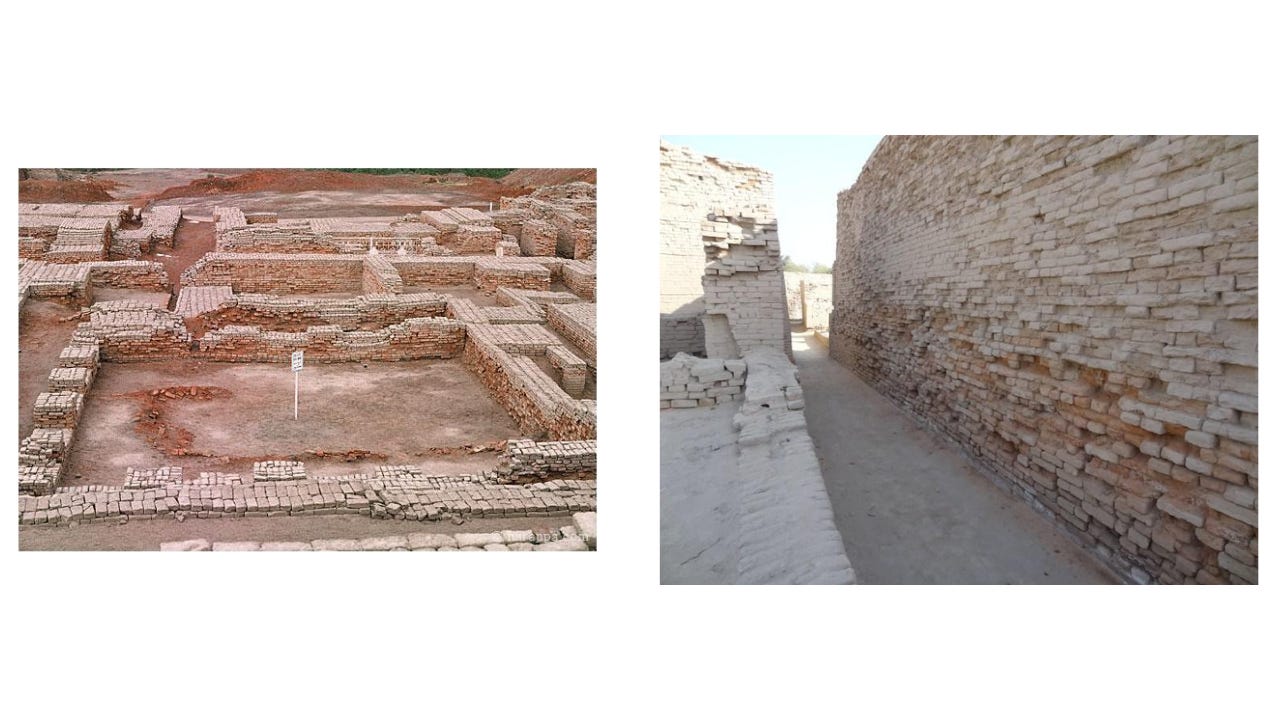
The final example is their standardized brick ratio.
Just like their weight system, the Harappans also maintained remarkable consistency in brick manufacturing across their cities.
Archaeologists have found that millions of baked bricks were made using the same 1:2:4 ratio (height:width). This standard appears across numerous Harappan sites, even though many of them were separated by hundreds of kilometers.
This consistency is one of the reasons why many Indus Valley cities look so similar today. The bricks followed the same proportions, allowing builders to construct cities using a common engineering standard.
Just like their standardized weights, these uniform bricks reflect the incredible organization, coordination, and technological precision of the Indus Valley Civilization
IVC: The Other Meaning of Being Advanced
When we think of an advanced civilization, we often imagine massive monuments, grand palaces, towering temples, or enormous structures.
But one thing we rarely ask is: What was everyday life actually like? Was all that grandeur built only to display the power of rulers, or did ordinary people also enjoy a high quality of life?
This is where the Indus Valley Civilization stands apart.
Unlike many other ancient civilizations, the IVC left behind no grand palaces or colossal monuments. Yet, in many ways, it was one of the most advanced civilizations of its time.
Its true achievement wasn’t in building the biggest structures—it was in building better lives. Through organized cities, advanced sanitation, standardized construction, and careful urban planning, the Harappans focused on the comfort, hygiene, and daily lives of ordinary people.
Perhaps that’s the other meaning of being truly advanced: not how grand your monuments are, but how well your civilization improves the lives of the people who live in it.
Beyond Harappa and Mohenjo-daro
When most people think of the Indus Valley Civilization, Harappa and Mohenjo-daro are the first names that come to mind.
But they tell only a small part of the story.
Across the Indus Valley Civilization lie many lesser-known sites that reveal remarkable engineering, unique discoveries, mysterious artifacts, and fascinating glimpses into one of the world’s greatest ancient civilizations.
If you’d like to explore the Indus Valley beyond the famous cities, our
The Indus Valley Guide introduces you to 10 lesser-known Harappan sites.
Discover their history, major archaeological finds, unanswered mysteries, leading theories, and the events that shaped their growth and transformation
—all presented in a clear, beautifully organized guide.
Get your copy here.
Stay Curious,
Ancient Explain
We hope you'll enjoy these exclusive Indus Valley Civilization articles from our Insider Membership community: